2026-07-06
Public vs. private: how teams use AI without leaking data
A two-plane architecture that gives teams collective intelligence without giving up data sovereignty or GDPR compliance.
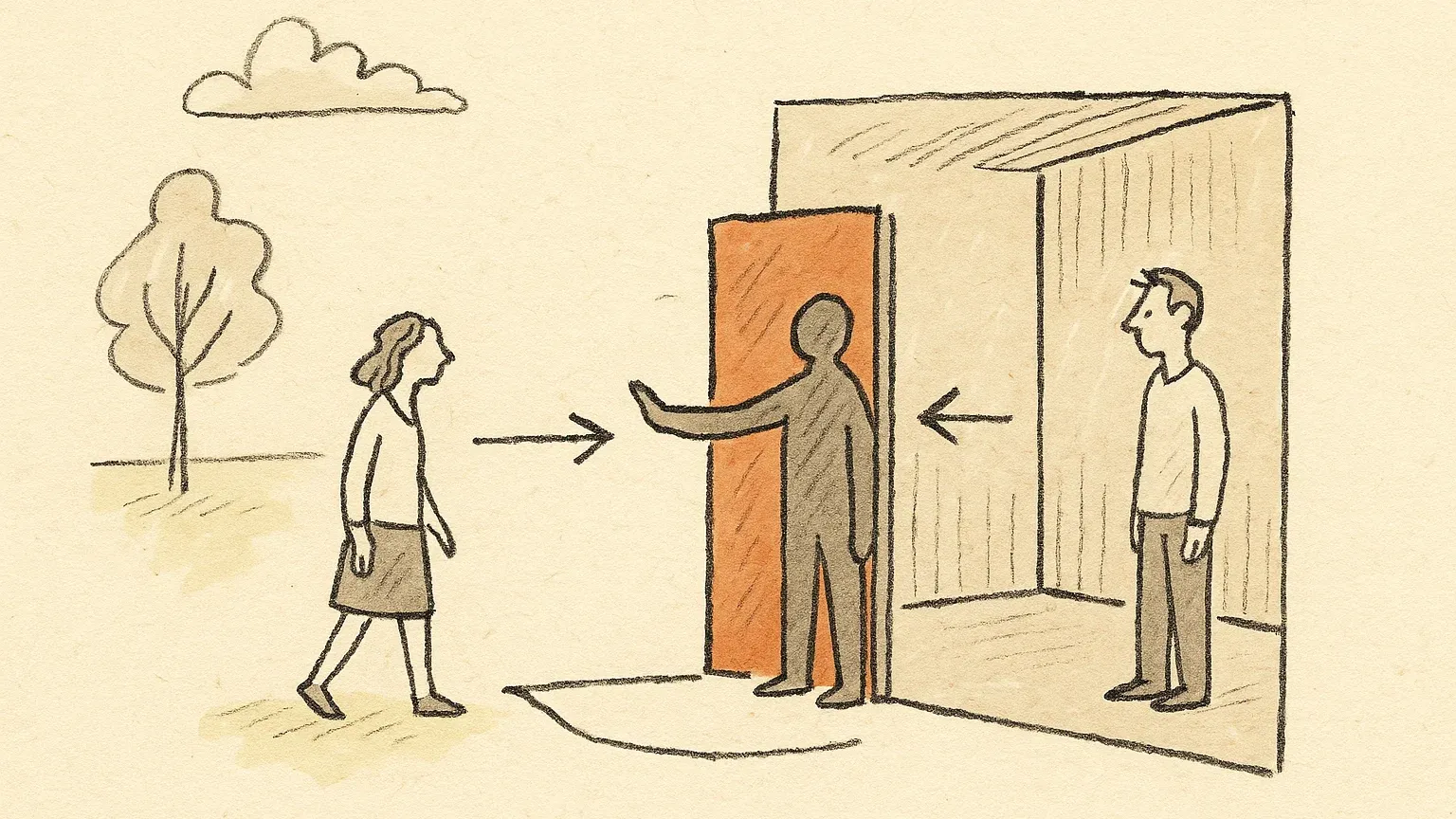
The most common objection to team AI is the right one: “We cannot put client data into someone else’s cloud.” The answer is not to avoid AI. It is to draw the line before the first byte moves.
Two planes, one deliberate gate
A private plane holds everything sensitive: client files, finances, personal data. It lives on machines you control and is processed locally — optionally by local AI models. Zero egress: nothing leaves unless a human explicitly marks it shareable and sends it through the gate.
A shared plane is the team brain: research, decisions, SOPs, project notes. Here agents do their best work — connecting notes across teammates, flagging contradictions, synthesizing what the whole team knows into something no single member knew.
Why this satisfies both the CTO and the DPO
For the CTO: the shared plane delivers real collective intelligence. New hires onboard against the team brain instead of interrupting seniors. Research done once is found, not redone.
For the DPO: sensitive data residency is trivially answerable — it is on your hardware. No external LLM trains on your data. Subject access and deletion requests are file operations, not vendor support tickets. The GDPR story is the architecture, not a policy PDF.
The habits that make it stick
Three rules keep the boundary honest. Everything is private by default; sharing is an explicit act. Every agent write goes through human approval — agents propose, people commit. And quarantine rules keep regulated categories out of agent reach entirely, so a misconfigured prompt cannot touch them.
Teams do not need a bigger AI policy document. They need an architecture where the safe path is the default path.