2026-07-06
Pilot purgatory: why most AI agents never reach production
The bottleneck between an impressive AI demo and a system your team actually relies on is not the model. It is architecture, governance, and maintenance.
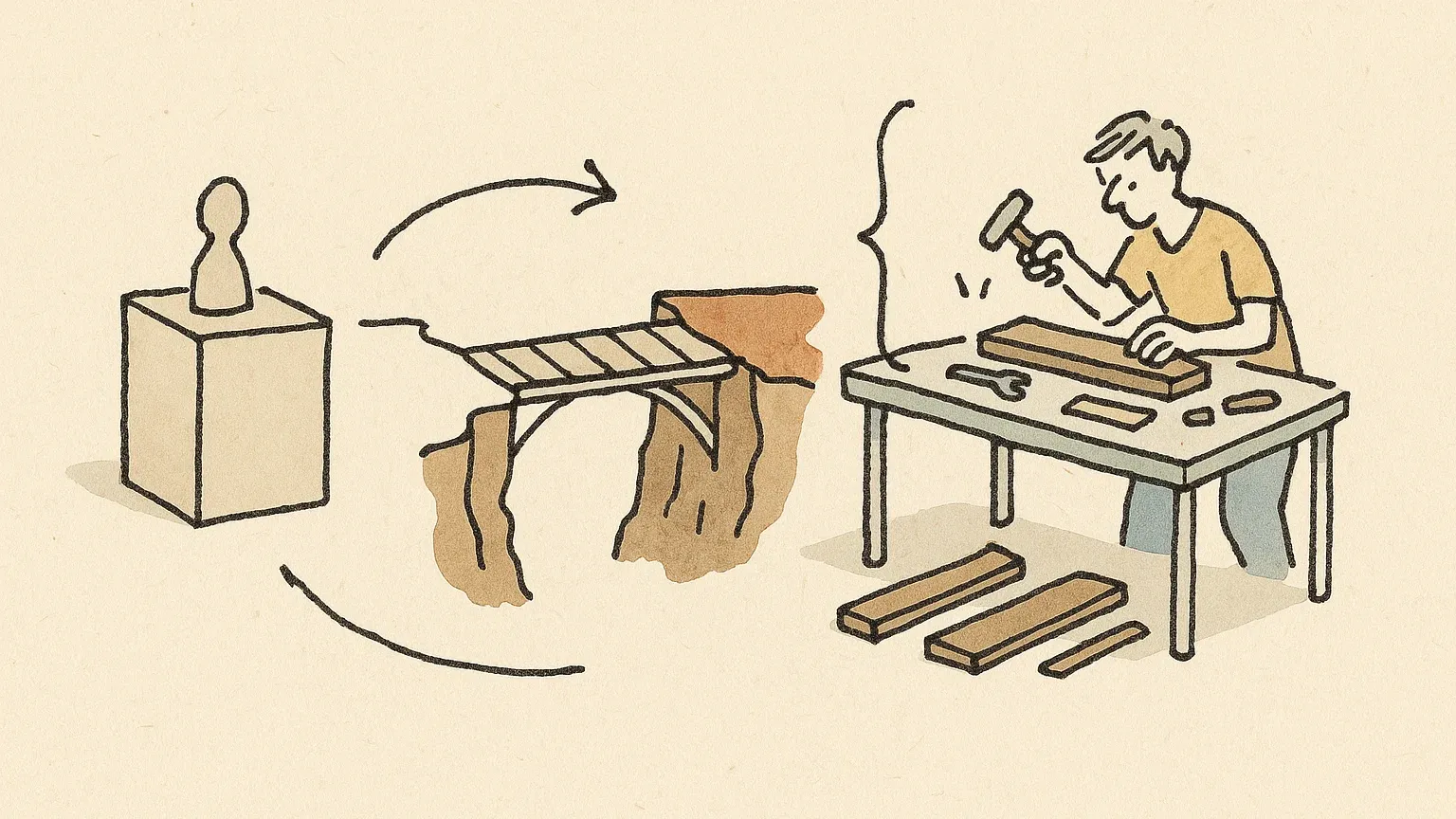
Every company has seen the demo. An agent answers a question, drafts an email, summarizes a meeting — and a room full of smart people nods. Then, months later, that same agent is still a demo. It never became something the team relies on.
This is pilot purgatory, and it is the norm, not the exception. In Deloitte’s State of AI in the Enterprise (2026), only about one in four companies had moved even 40% of their AI pilots into production. The gap between “it worked once” and “we depend on it” is where most AI budgets quietly die.
The bottleneck is not the model
It is tempting to blame the model — not smart enough, too expensive, hallucinates. But swap in a better model and the pilot still stalls. The real blockers are unglamorous: scattered source data, no governance, and nobody owning maintenance.
An agent is only as good as the knowledge it can reach. When a company’s real answers live across Slack threads, a dozen Google Docs, three wikis, and someone’s inbox, the agent has nothing solid to stand on. It fills the gaps with plausible fiction. One confident hallucination in front of a client, and trust in the whole system evaporates.
Architecture first, agents second
The teams that get past the demo do one boring thing first: they give the agent a clean, structured, local-first source of truth to read from. A single knowledge base where decisions, documents, and context are linked and current — not a scavenger hunt across tools.
With that foundation, the agent stops guessing. It reads what is actually true, answers from it, and — critically — never writes back without a human approving the change. Governance is not a brake on automation; it is the thing that makes automation safe enough to trust in production.
What “production” actually requires
Moving an agent from pilot to production means three things most demos skip:
- A source of truth the agent can rely on — structured, current, and owned by you, not scattered across SaaS tools.
- An approval gate on every write — agents propose; humans commit. Nothing enters the record of truth unreviewed.
- Someone maintaining it — stale notes pruned, broken links repaired, workflows updated as the team changes.
None of that is exciting. All of it is why the system is still running six months later.
The companies stuck in pilot purgatory do not need a better model. They need the layer underneath it.